Turning Old into Amazing: New Materials Made from Old Textiles
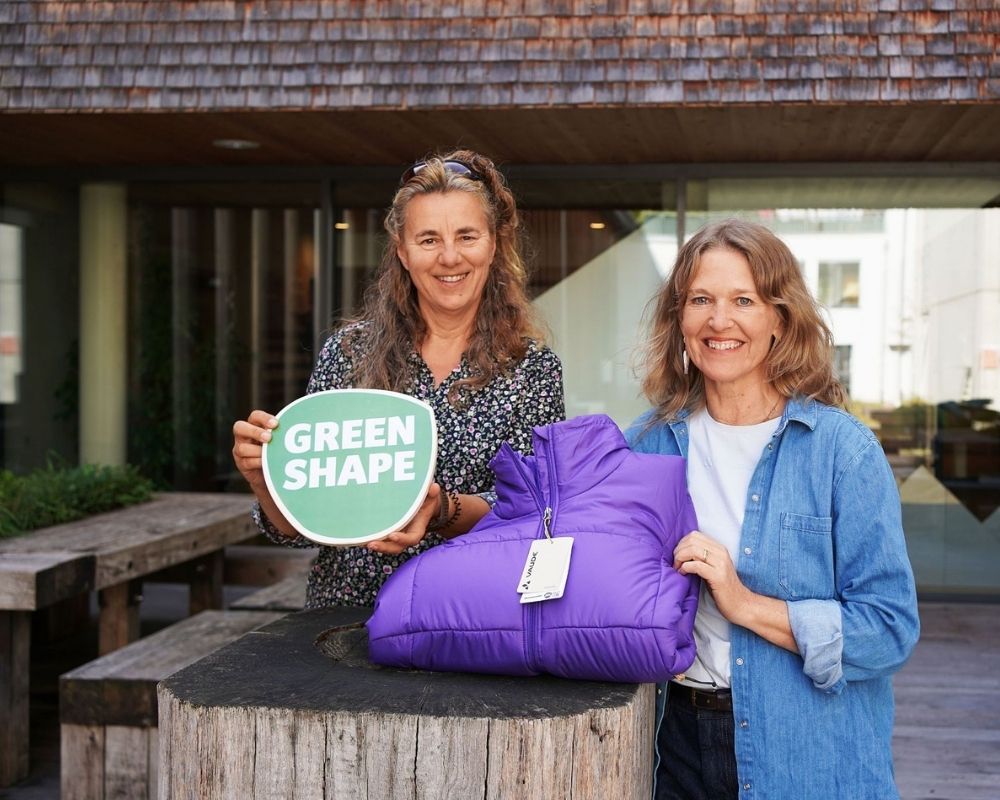
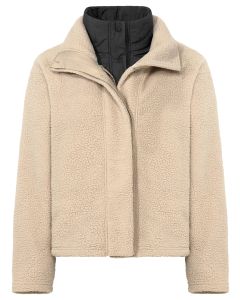
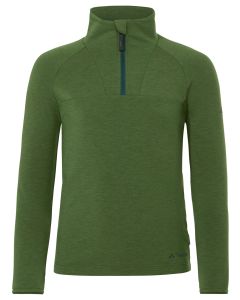
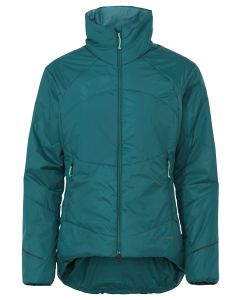
What if used textiles could be turned into a raw material for your new jacket? With our Fall/Winter 2026/27 collection, we’re using polyester derived from used textiles and textile production scraps in select clothing styles for the first time. This marks our next step from recycling PET bottles toward a textile-to-textile cycle.
Discover our Textile2Textile products
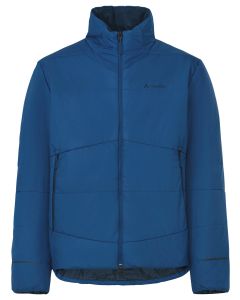
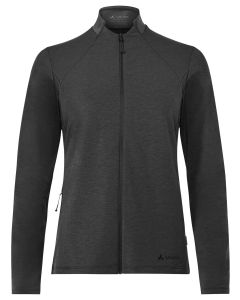
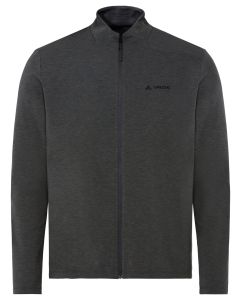
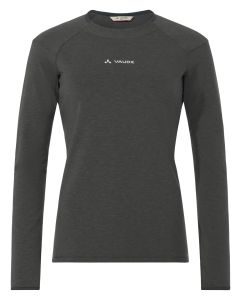

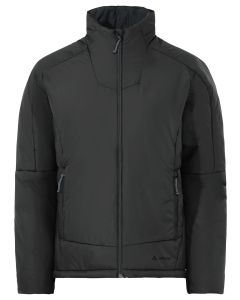
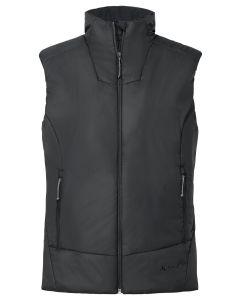
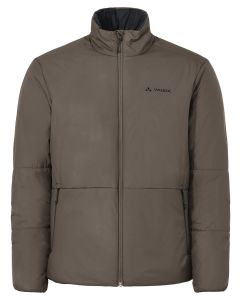
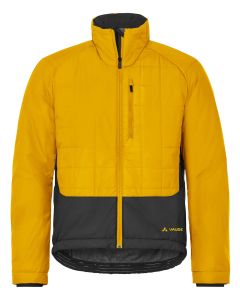
From Old Textiles to New Raw Materials
The process begins with one of the biggest challenges: collecting and sorting used textiles. The suitable textiles are then processed and chemically recycled.
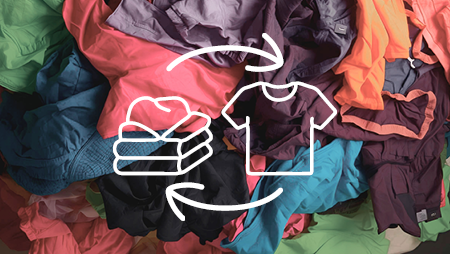
In this process, the polyester is broken down into its basic chemical building blocks through a process known as depolymerization. Dyes, finishes, and impurities are dissolved and filtered out. The resulting material achieves a purity of up to 99.9%. We also test the material in the laboratory.
Recycling Without Compromising Quality
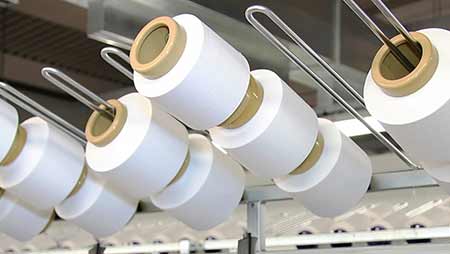
The major advantage of this process is that the recovered building blocks can be used to produce polyester again, with a quality equivalent to that of newly produced polyester. There is no downcycling.
For you, this means that old textiles are transformed back into materials for functional outdoor products—without compromising on material quality.
From Process to Product
Our production partner is already implementing textile recycling on an industrial scale. The recycled material we use is also certified according to the Recycled Claim Standard (RCS). This certifies and verifies the use of recycled materials and their origin.
Our production partner already implements textile recycling on an industrial scale. The recycled material we use is also certified according to the Recycled Claim Standard (RCS). This certifies and verifies the use of recycled materials and their origin.
And best of all: In our 2026/27 winter collection, recycled textiles will be used for the first time as primary materials in selected VAUDE apparel models. Our goal is to gradually reduce our reliance on recycled materials from other plastic recycling streams—such as PET bottles—and to reuse more textile raw materials in the production of textiles.
The best cycle? Use it for as long as possible.
Even though textile-to-textile recycling is making great strides, a fully closed textile loop does not yet exist. This makes it all the more important to use products for as long as possible, care for them properly, repair them, and pass them on. After all, the longer a product remains in use, the later new resources will be needed.