
Bikepacking bags – lightweight, sturdy and perfect for your ride
Bikepacking bags are the key to a functional and lightweight setup on your tour. Instead of traditional luggage racks, they are attached directly to the bike and ensure your gear stays securely in place – even on gravel paths, trails or long journeys.
Whether it’s a weekend ride or a multi-day adventure: with the right bikepacking bags, your luggage stays neatly organised and optimally distributed. This means you can focus entirely on what matters – being out and about and experiencing nature.
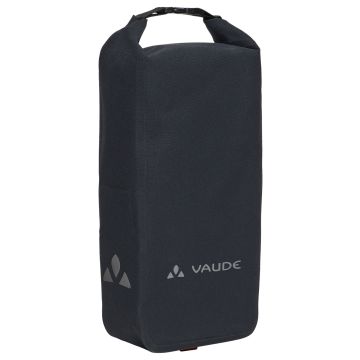
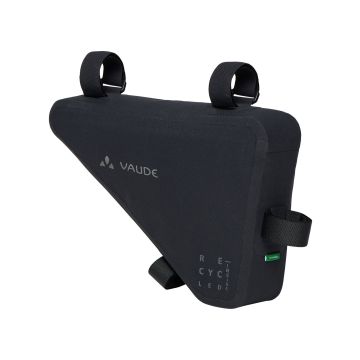
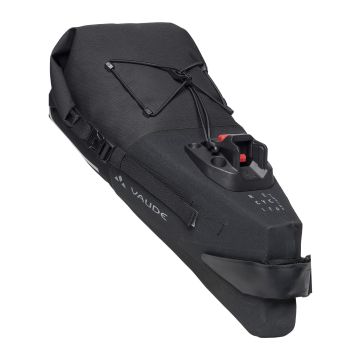
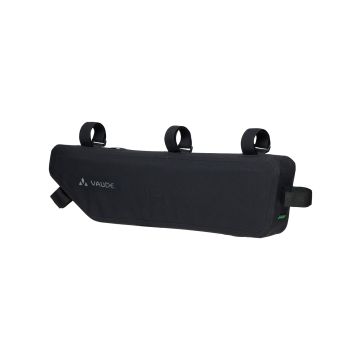
What types of bikepacking bags are there?
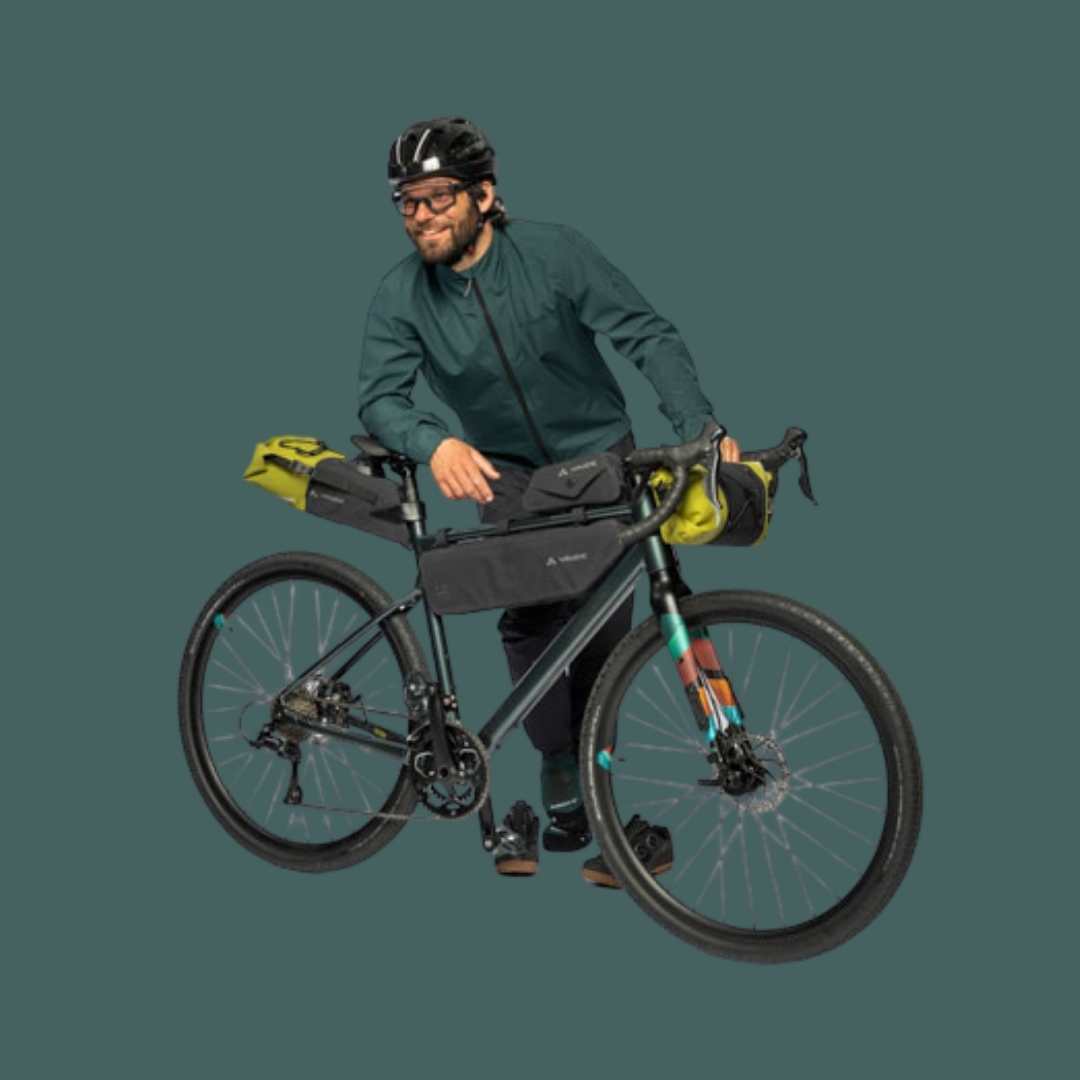
Depending on the intended use and the route, bikepacking bags vary in shape, size and mounting method. A typical setup consists of several bags distributed across the bike.
The main types of bikepacking bags at a glance
-
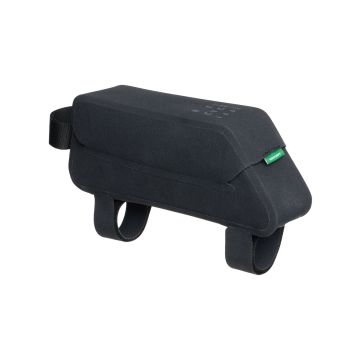
Frame bag
is placed in the frame triangle and is suitable for heavy items such as tools or provisions -
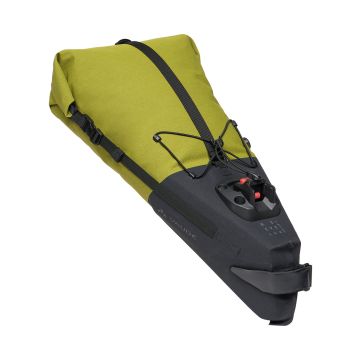
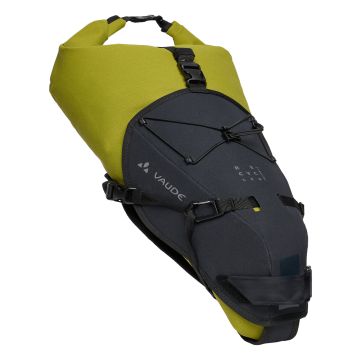
Saddle bag
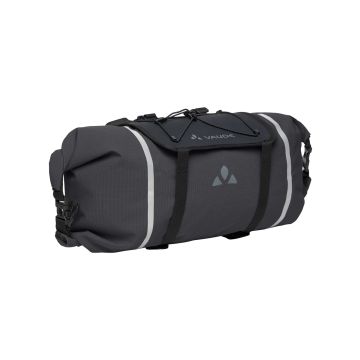
offers plenty of storage space for clothing or sleeping gear and is attached behind the saddle -
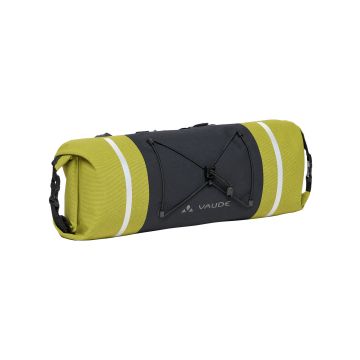
Handlebar bag
ideal for a tent, sleeping bag or sleeping mat
This combination creates a stable system that works even without a luggage rack and is particularly suitable for demanding routes.
Which bikepacking bag suits your trip?
Which bikepacking bags are right for you depends mainly on your trip and your riding style.
For short trips or weekend getaways, minimalist gear with little luggage is often sufficient. For longer bikepacking trips or in changeable weather, a larger capacity and a well-thought-out combination of several bags is recommended.
The bike also plays a role: particularly on gravel bikes or mountain bikes, compact bags that sit snugly against the frame ensure a stable riding experience.
What to consider when choosing panniers?
Various factors are important when purchasing bikepacking panniers.
Overview of key criteria
-
Weight
the lighter the bag, the more comfortable the ride -
Water resistance
particularly important on longer trips or in changeable weather -
Mounting system
a secure attachment prevents shifting on uneven terrain -
Capacity and pack size
must suit the length of your trip -
Material and finish
robust materials ensure a long service life
Many bikepacking bags are designed to function reliably even under harsh conditions and provide optimal protection for your luggage.
How do you attach bikepacking bags correctly?
Bikepacking bags are attached directly to the bike frame, saddle or handlebars. It is important that they fit snugly and do not shift whilst cycling.
Tips for correct attachment
-
Place heavy items as centrally as possible on the frame
-
Distribute the weight evenly
-
Fasten the straps and attachments securely
-
Ensure there is sufficient clearance from tyres and moving parts
A well-adjusted bike ensures greater control and a comfortable ride – especially on longer journeys.
Packing bike bags correctly
Not only the choice of bags, but also packing them correctly plays a crucial role.
Heavy items should be placed as close to the frame as possible, whilst lighter items are stored in saddle or handlebar bags. This keeps the bike balanced and ensures it can be ridden safely even on demanding routes.
Organising your gear properly not only saves weight but also increases comfort on the go.
Who are bikepacking panniers suitable for?
Bikepacking panniers are suitable for anyone who wants to travel by bike flexibly and independently.
Whether you’re a beginner or an experienced cyclist – they offer a practical solution for a wide variety of trips:
-
short weekend trips
-
multi-day bikepacking tours
-
sporty rides on gravel roads or trails
Bikepacking bags are the right choice, especially for anyone who values lightweight kit and maximum freedom of movement.
Bikepacking and equipment at a glance
If you’d like to explore this topic further, you’ll find everything you need to know about tours, planning and the right equipment for your setup in our
.
Also apacklist for bikepacking can also help you pack smartly and take only what you really need.