
Softshell jackets women
Discover VAUDE women's softshell jackets for hiking, cycling and other outdoor activities. Stretch materials and plenty of freedom of movement make them versatile jackets for changeable weather conditions.
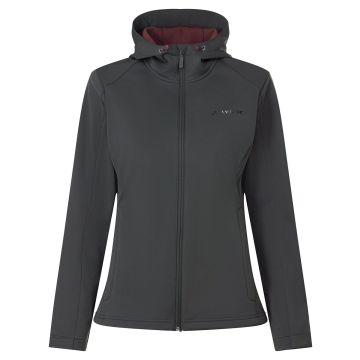
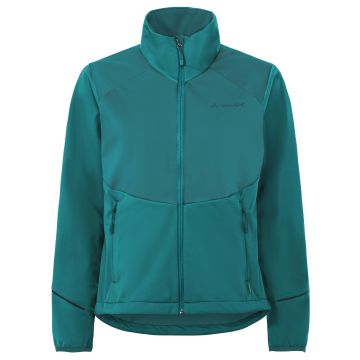
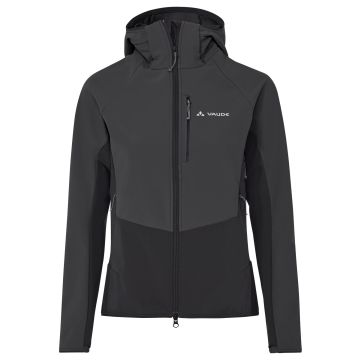
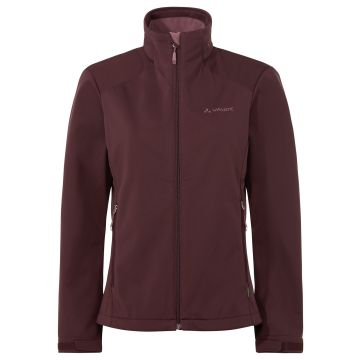
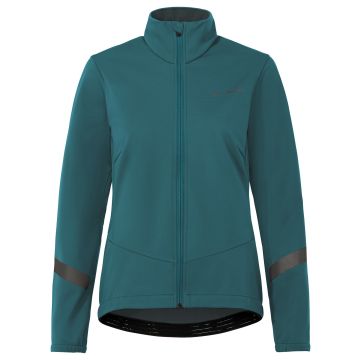
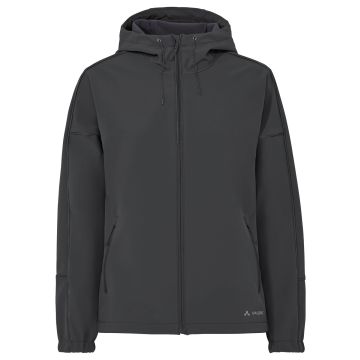
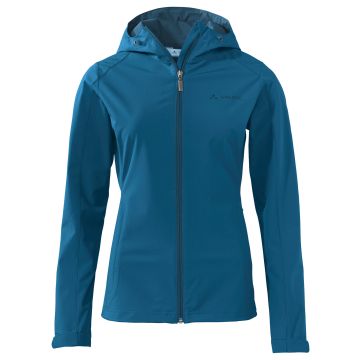

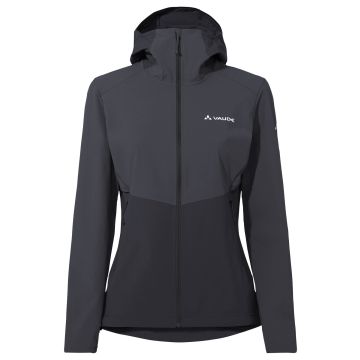

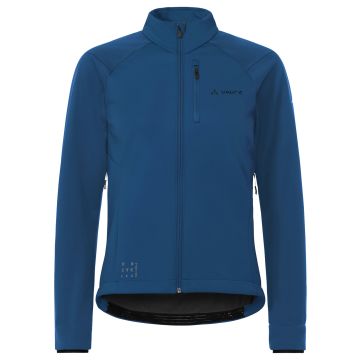
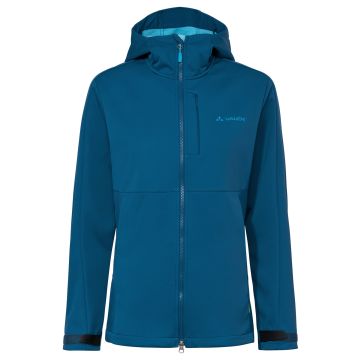
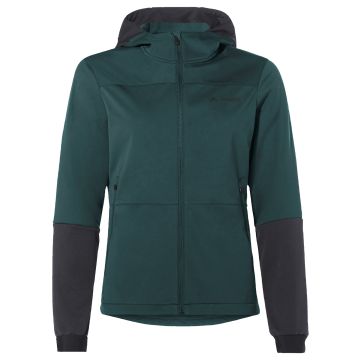
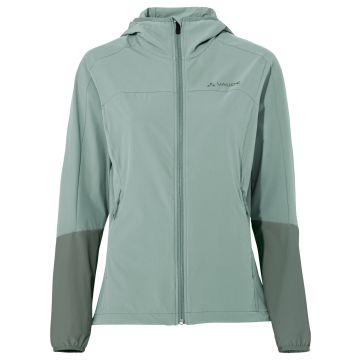
What is special about a women's softshell jacket?
Women's softshell jackets combine freedom of movement with weather protection and are particularly suitable for active outdoor use. Stretch materials are a typical feature and can support freedom of movement when hiking, cycling or heading into the mountains. Depending on the model, VAUDE softshell jackets offer different levels of wind protection, breathability and water repellency.
Compared with a classic hardshell jacket, a softshell jacket often focuses on the combination of freedom of movement, comfort and breathability. A hardshell jacket, on the other hand, is the more suitable choice when reliable waterproof weather protection is required. Fleece jackets are primarily used as an insulating layer.
What weather are softshell jackets suitable for?
Is a women's softshell jacket windproof and waterproof?
Depending on their construction, softshell jackets can be wind-resistant or windproof as well as water-repellent. However, water-repellent does not automatically mean waterproof. For longer trips in persistent or heavy rain, a is therefore the more suitable choice. Information about the wind and weather protection offered by each model can be found on the product page.
Why can you sweat in a softshell jacket?
How much moisture builds up while wearing a softshell jacket depends on factors including activity intensity, temperature, material and the layers worn underneath. Breathable materials can support the transfer of water vapor to the outside. During high-intensity activity, however, the body can still produce more moisture than the clothing is able to release.
What temperatures are softshell jackets suitable for?
Softshell jackets are particularly suitable for mild to cool weather and are often worn in spring and fall as well as on mild winter days. As a general guide, temperatures of around 5 to 15 °C can be a useful reference. Whether a softshell jacket is warm enough at these temperatures depends on the model, wind and weather conditions, activity intensity, the layers worn underneath and your personal sensitivity to the cold. Warmer or insulated softshell jackets can also be used at lower temperatures.
Is a women's softshell jacket warm enough for winter?
A women's softshell jacket can also be worn in winter. Warmer or insulated softshell jackets can be suitable for activities in lower temperatures. In cold conditions, uninsulated models can be combined with a warm layer underneath. Whether a softshell jacket provides enough warmth in winter depends on the model, activity, weather conditions and your personal sensitivity to the cold.
What do you wear under a softshell jacket?
What you wear under a softshell jacket depends on the temperature and activity. can be worn as a base layer. In cooler temperatures, a softshell jacket can be combined with a or another mid layer. In mild weather, a lightweight long-sleeve shirt underneath may be enough.
Which is warmer – fleece or softshell?
Fleece generally provides more thermal insulation than an uninsulated softshell jacket. Depending on its design, a softshell jacket offers additional protection from wind and light precipitation. In cooler temperatures, the two can work well together: fleece provides insulation, while the softshell jacket can serve as an outer layer for protection from wind and changeable weather.
Which women's softshell jacket is suitable for which activity?
Softshell jackets for hiking and mountain activities
For hiking and mountain activities, freedom of movement and features suited to the intended use are important. Stretch materials can support movement on climbs and challenging trails. Depending on the model, features may include an adjustable hood, pockets or various adjustment options.
Softshell jackets for cycling
For cycling, a bike-specific fit and freedom of movement are important criteria. Some women's softshell jackets are specifically designed for the riding position on a bike and feature corresponding cuts and functional details.
Softshell jackets for everyday wear and travel
Women's softshell jackets are also available for everyday wear, commuting and travel. In addition to classic jacket cuts, longer softshell jackets and softshell parkas can be an option. The right length and fit depend on the intended use and your personal preferences.
Which softshell jacket is suitable for rain?
A water-repellent softshell jacket can provide protection in light rain and brief showers. However, water-repellent is not the same as waterproof: for prolonged or heavy rain, a waterproof rain jacket is the more suitable choice. Whether and to what extent a softshell jacket is water-repellent or waterproof is stated on the relevant product page.
Can you reproof a softshell jacket?
For models designed for this purpose, suitable aftercare can refresh the water-repellent properties of the outer surface. However, it does not turn a non-waterproof softshell jacket into a waterproof hardshell jacket. Always follow the care instructions for the specific product.
Fit and features of women's softshell jackets
VAUDE women's softshell jackets are available in different fits and lengths. Athletic cuts and stretch materials can be suitable for activities such as hiking, mountain tours or cycling. Longer softshell jackets and softshell parkas provide an alternative for everyday wear, travel and other outdoor activities. Features such as pockets, hoods and other details also vary by model.
Materials, standards and certifications
VAUDE women's softshell jackets use different materials as well as various standards and certifications. Some models use recycled materials. Many products meet the requirements of the Green Shape Standard. Many products also carry the Fair Wear label. Information about the materials, technologies, standards and certifications that apply to a specific softshell jacket can be found on the relevant product page.
How do you care for a softshell jacket?
The right care depends on the materials and features of the specific softshell jacket. Always follow the product care instructions when washing, drying or applying any aftercare treatment. Further information about caring for functional clothing can be found under Service information.